
1885: the first Princess’s Day
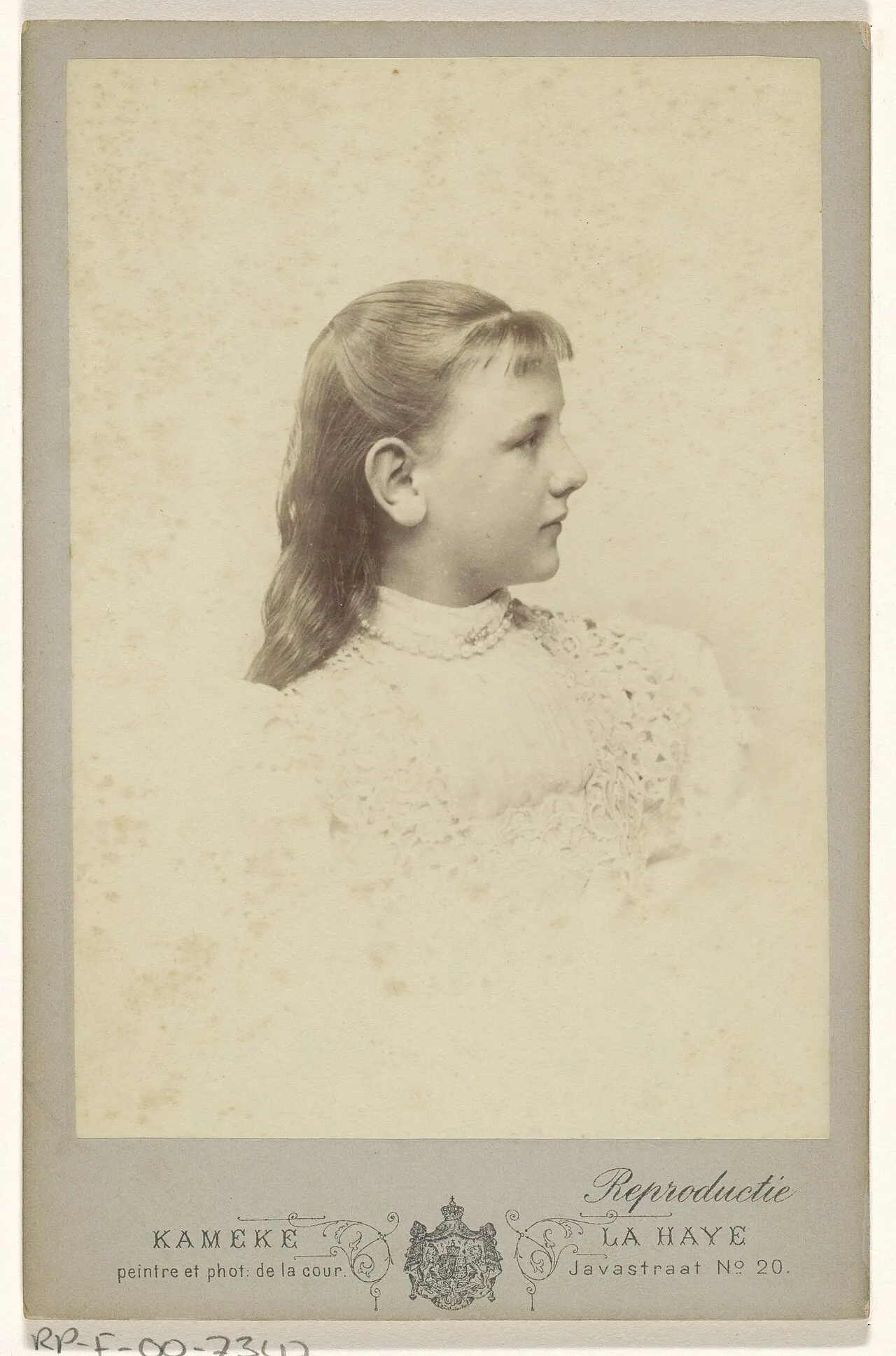

On 31 August 1885, Princess’s Day (Prinsessedag) was celebrated for the first time. It was the fifth birthday of Princess Wilhelmina, the only daughter of King William III and Queen Emma.
Wilhelmina was already heir to the throne. Her three half-brothers from the King’s first marriage had all died, the last of them, Prince Alexander, in 1884. The future of the monarchy now rested on a five-year-old girl with a father of almost seventy.
The organisers wanted to strengthen the bond between the people and the House of Orange at a time of bitter political division. Princess’s Day was not an official holiday. Local committees and associations organised parades, music and games for children. In many towns and villages these committees later became Orange Associations (Oranjeverenigingen), which still organise King’s Day today.
1891–1948: Queen’s Day on 31 August
King William III died in November 1890 and Wilhelmina became queen at the age of ten. Until she came of age in 1898, her mother, Queen Emma, ruled as regent. The celebration was now called Queen’s Day (Koninginnedag) and stayed on 31 August, at the end of the summer holidays. It was mainly a day for children, with games, decorated bicycles and parades.
1949–1980: 30 April and the parade at Soestdijk
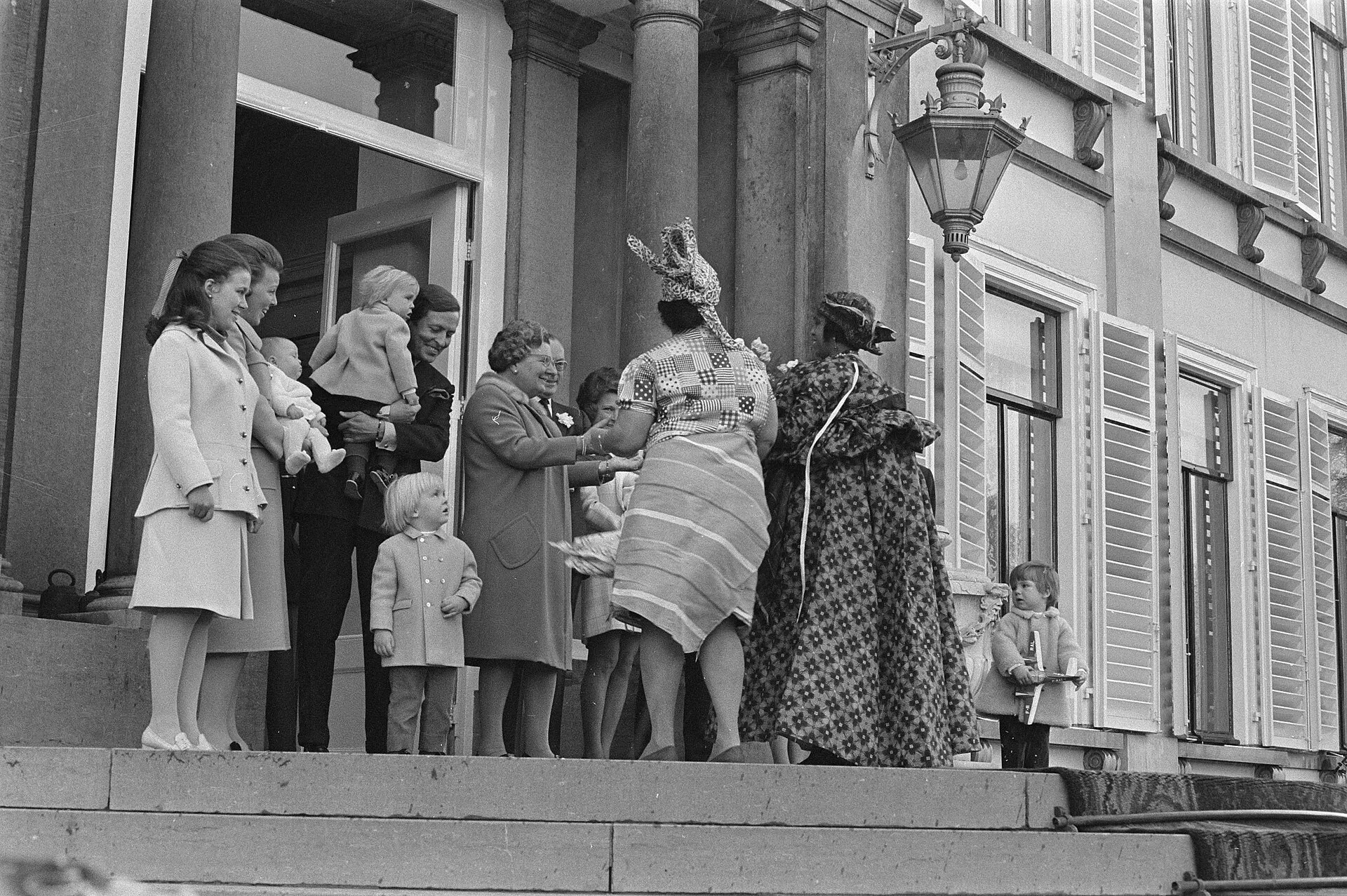
In 1948 Juliana succeeded her mother. From 1949 onwards, Queen’s Day fell on 30 April, the new queen’s birthday. The highlight of the day became the parade (defilé): thousands of people from all over the country filed past the steps of Soestdijk Palace in Baarn. They brought flowers and gifts and showed what their club, village or trade had to offer. Later the parade was also broadcast live on television.
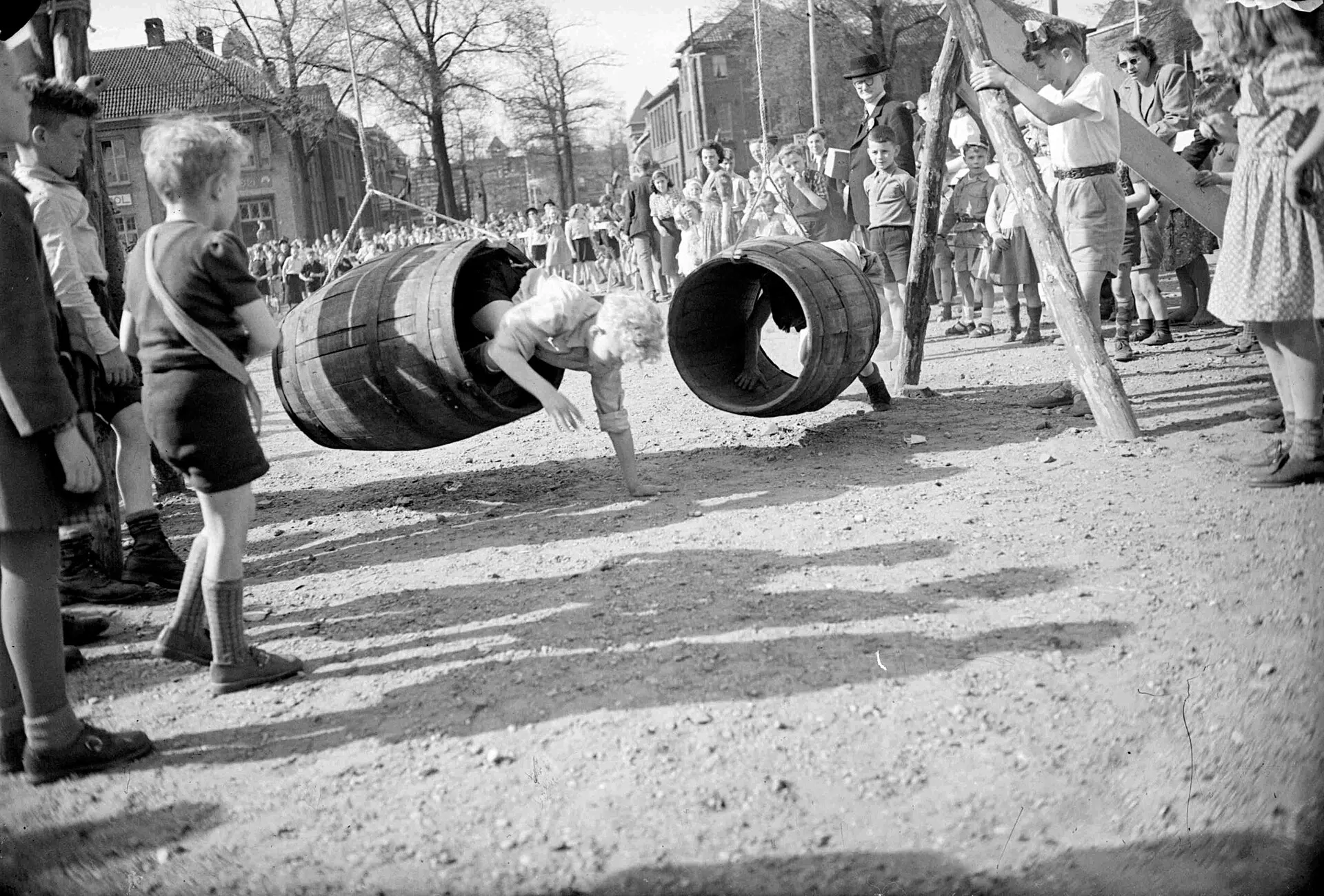

Across the rest of the country, Queen’s Day grew into a popular festival with children’s games, flags and orange decorations.

1980–2013: Beatrix goes visiting
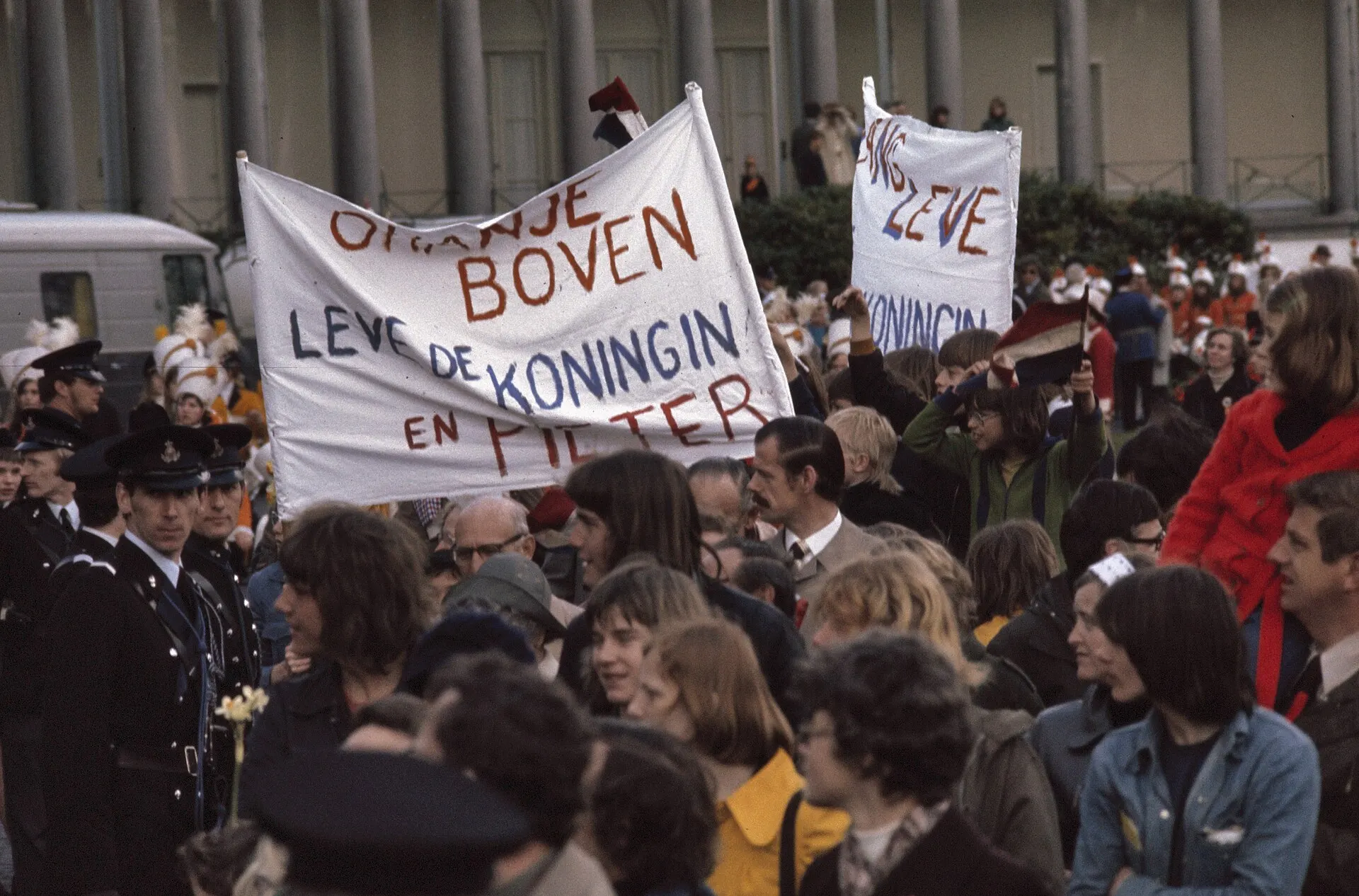
On 30 April 1980 Queen Juliana abdicated and Beatrix became queen. Beatrix’s birthday is on 31 January, but she kept 30 April as Queen’s Day. This was a tribute to her mother, and the weather at the end of April is better for an outdoor party.
Beatrix replaced the parade with something new. Every year she and her family visited one or two municipalities. There, residents showed what their town or village was proud of, with traditional crafts, music, sport and games. The royal family walked through the flea market and joined in the games.
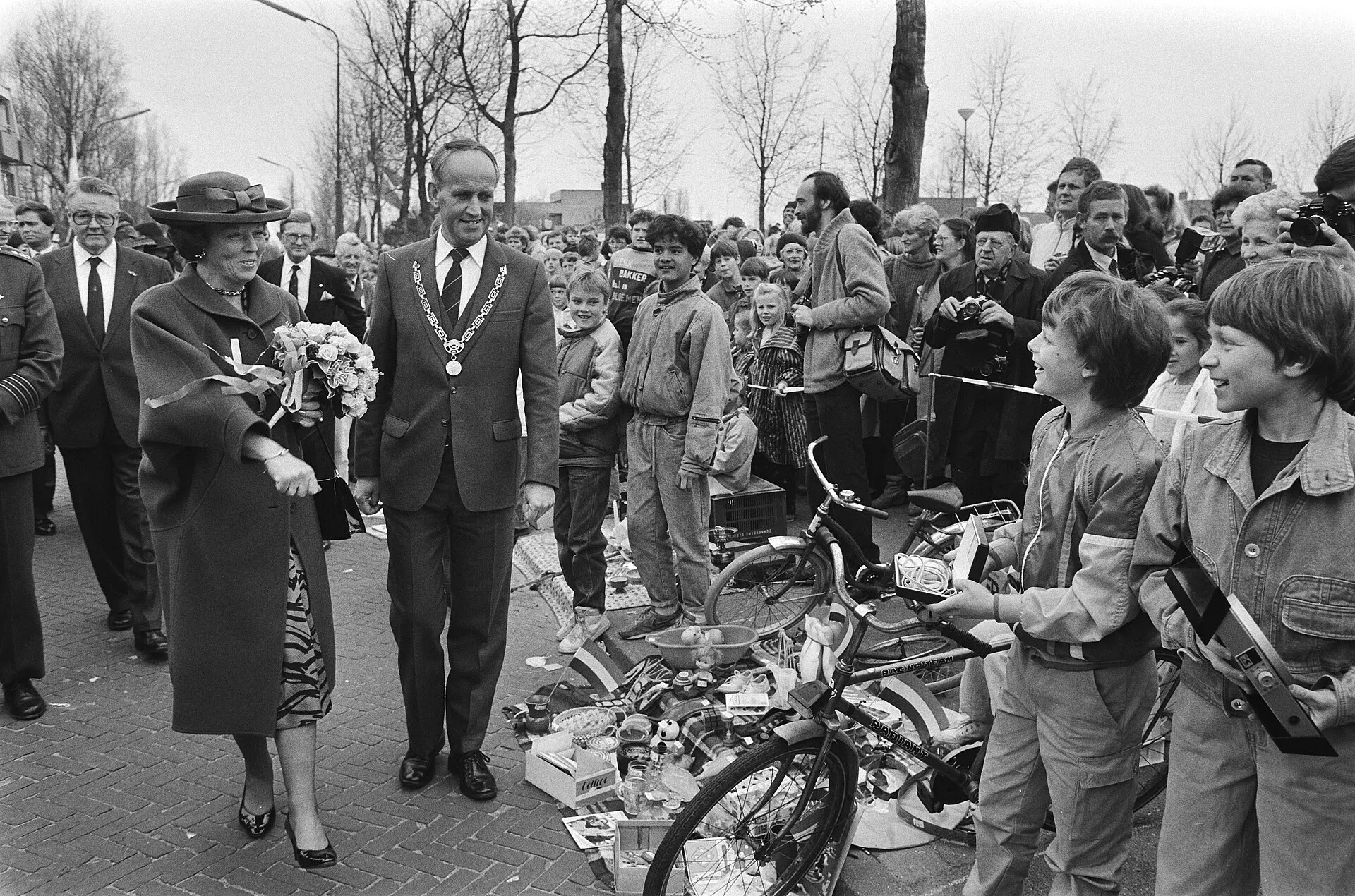

On 30 April 2009, Queen’s Day in Apeldoorn was struck by an attack. A man drove his car into the crowd along the route of the royal bus. Seven spectators and the driver died. Since then, security on King’s Day has been greatly increased.
Since 2014: King’s Day on 27 April
On 30 April 2013 Beatrix abdicated and Willem-Alexander became king. Since then the celebration has been called King’s Day (Koningsdag) and falls on the King’s birthday: 27 April. When 27 April is a Sunday, King’s Day is celebrated on Saturday 26 April. That happened at the very first King’s Day in 2014 and again in 2025. The next time will be in 2031.
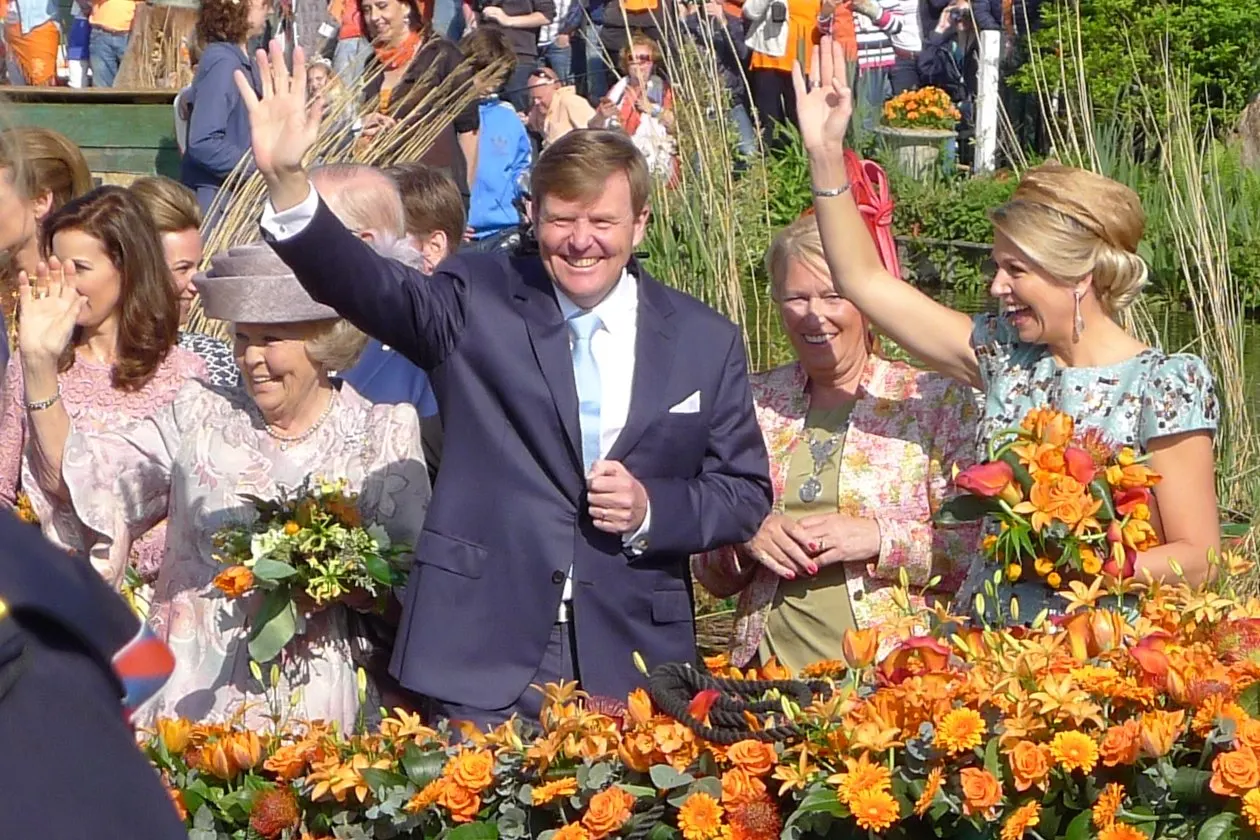

The King continued his mother’s tradition: every year the royal family visits a different host city. In 2027 that is Lelystad, on the King’s 60th birthday. It is the first time the King celebrates his birthday in the province of Flevoland. After that, Zeeland is the only province he has not yet visited on King’s Day.
All host cities since 2014
| Year | Date | Host city | Province |
|---|---|---|---|
| 2014 | Saturday, 26 April 2014 | De Rijp & Amstelveen | Noord-Holland |
| 2015 | Monday, 27 April 2015 | Dordrecht | Zuid-Holland |
| 2016 | Wednesday, 27 April 2016 | Zwolle | Overijssel |
| 2017 | Thursday, 27 April 2017 | Tilburg | Noord-Brabant |
| 2018 | Friday, 27 April 2018 | Groningen | Groningen |
| 2019 | Saturday, 27 April 2019 | Amersfoort | Utrecht |
| 2020 | Monday, 27 April 2020 | Maastricht Cancelled due to COVID-19; the King celebrated at home | Limburg |
| 2021 | Tuesday, 27 April 2021 | Eindhoven Small-scale, COVID-safe | Noord-Brabant |
| 2022 | Wednesday, 27 April 2022 | Maastricht | Limburg |
| 2023 | Thursday, 27 April 2023 | Rotterdam | Zuid-Holland |
| 2024 | Saturday, 27 April 2024 | Emmen | Drenthe |
| 2025 | Saturday, 26 April 2025 | Doetinchem | Gelderland |
| 2026 | Monday, 27 April 2026 | Dokkum | Friesland |
| 2027 | Tuesday, 27 April 2027 | Lelystad | Flevoland |
Traditions
The flea market
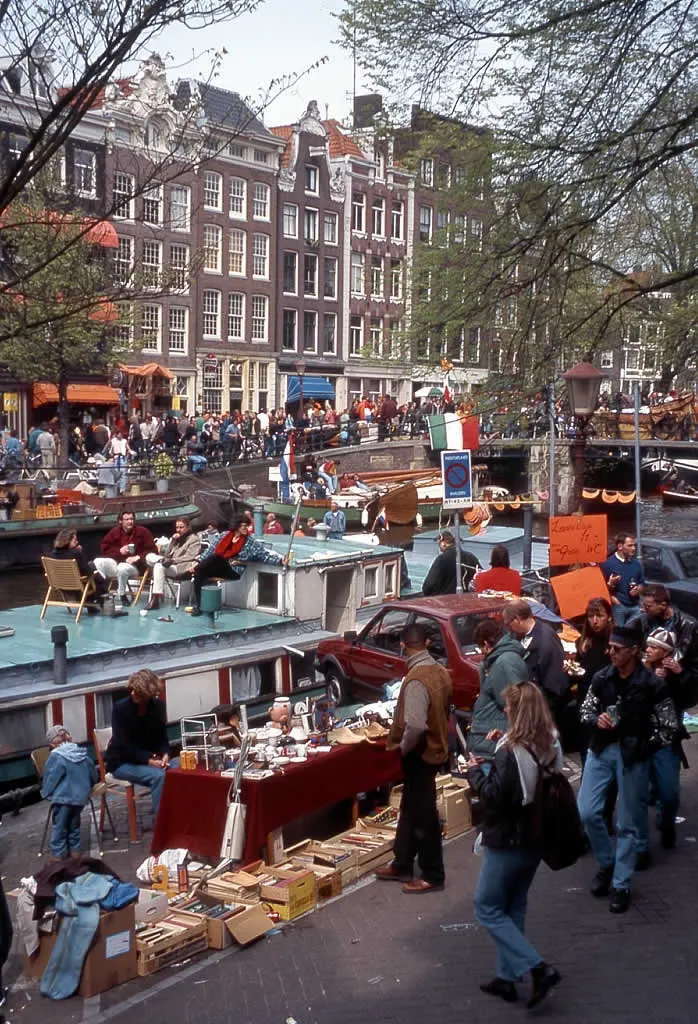
On King’s Day, in most municipalities anyone may sell things on the street without a permit. This is called the vrijmarkt (free market). Children sell their old toys, neighbours spread a blanket on the pavement, and in big cities entire streets fill up. In Utrecht the market already starts the evening before.

Orange
The royal family belongs to the House of Orange-Nassau. The name comes from the principality of Orange in the south of France, which William of Orange inherited in the sixteenth century. That is why the country turns orange on King’s Day: clothes, hats, flags with an orange pennant and, of course, the orange tompouce, a Dutch custard pastry.
King’s Night
The evening before King’s Day is called King’s Night (Koningsnacht). Many cities host concerts and parties, especially The Hague.
King’s Games and the shower of ribbons
On the Friday before King’s Day, primary schools all over the country hold the King’s Games (Koningsspelen), a sports day with breakfast that started in 2013. On the last working day before King’s Day comes the lintjesregen (“shower of ribbons”): mayors present royal honours to residents who have done a great deal for others.